The traditional route into Continuous Improvement leadership often ran from Green Belt to Black Belt: deepen your statistical toolkit, lead a larger project and gain the credibility of a recognised qualification. Those skills still matter. But the work facing many CI leaders now reaches far beyond an individual process or project.
In a recent Catalyst Back to Better webinar, Director of Training Moore Allison asked whether the traditional Black Belt skill set fully equips people for business improvement roles in 2027. His answer is nuanced: retain the rigour of problem solving and data, then add the skills to work across systems, help people learn and adapt, design new ways of working and guide the use of AI.
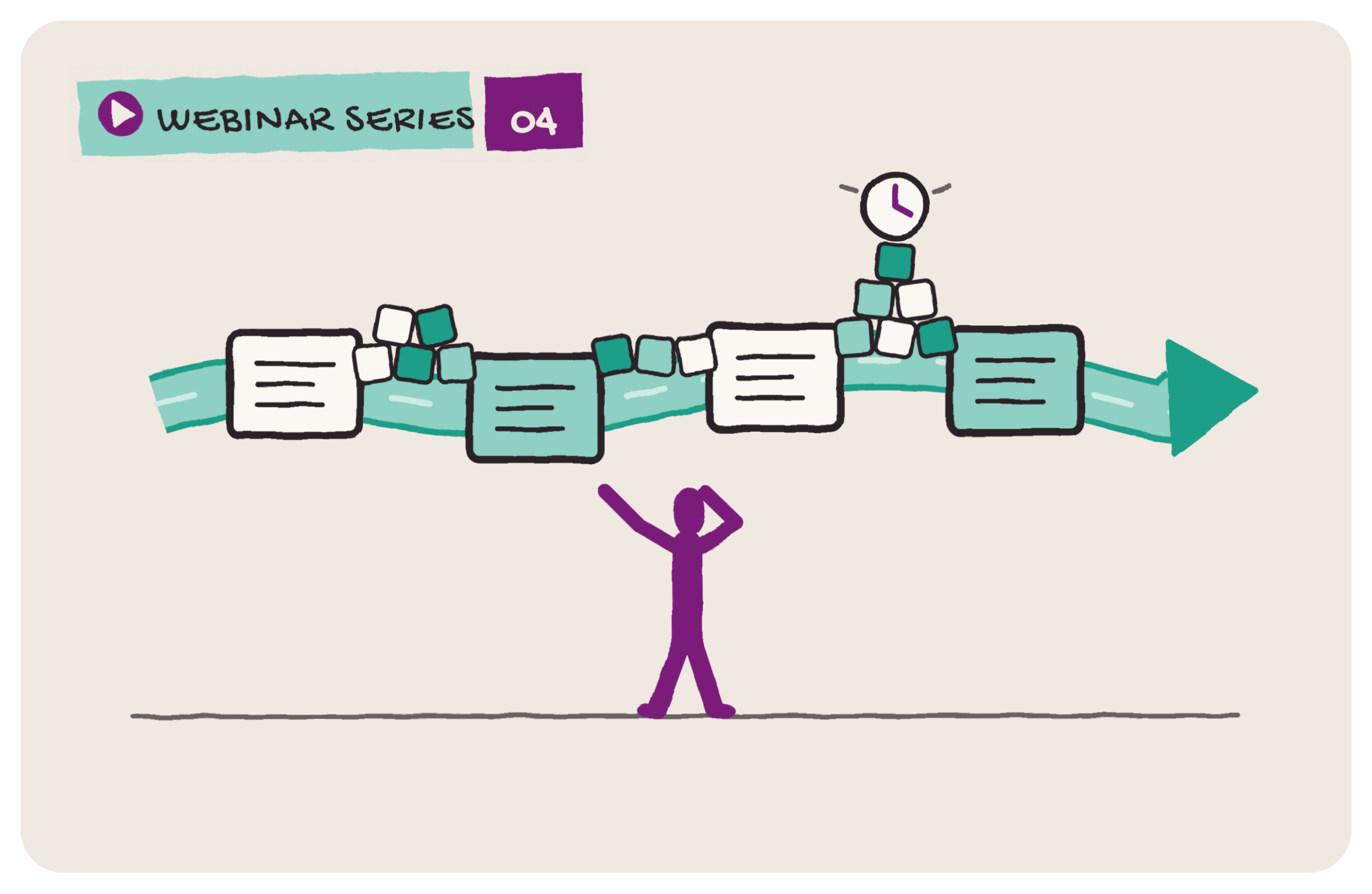
See the system before improving a part
A process can be improved in isolation while the wider flow of value remains constrained. As organisations adapt their services, technology and operating models, CI leaders need to understand how work moves across functions and how a change in one area affects another.
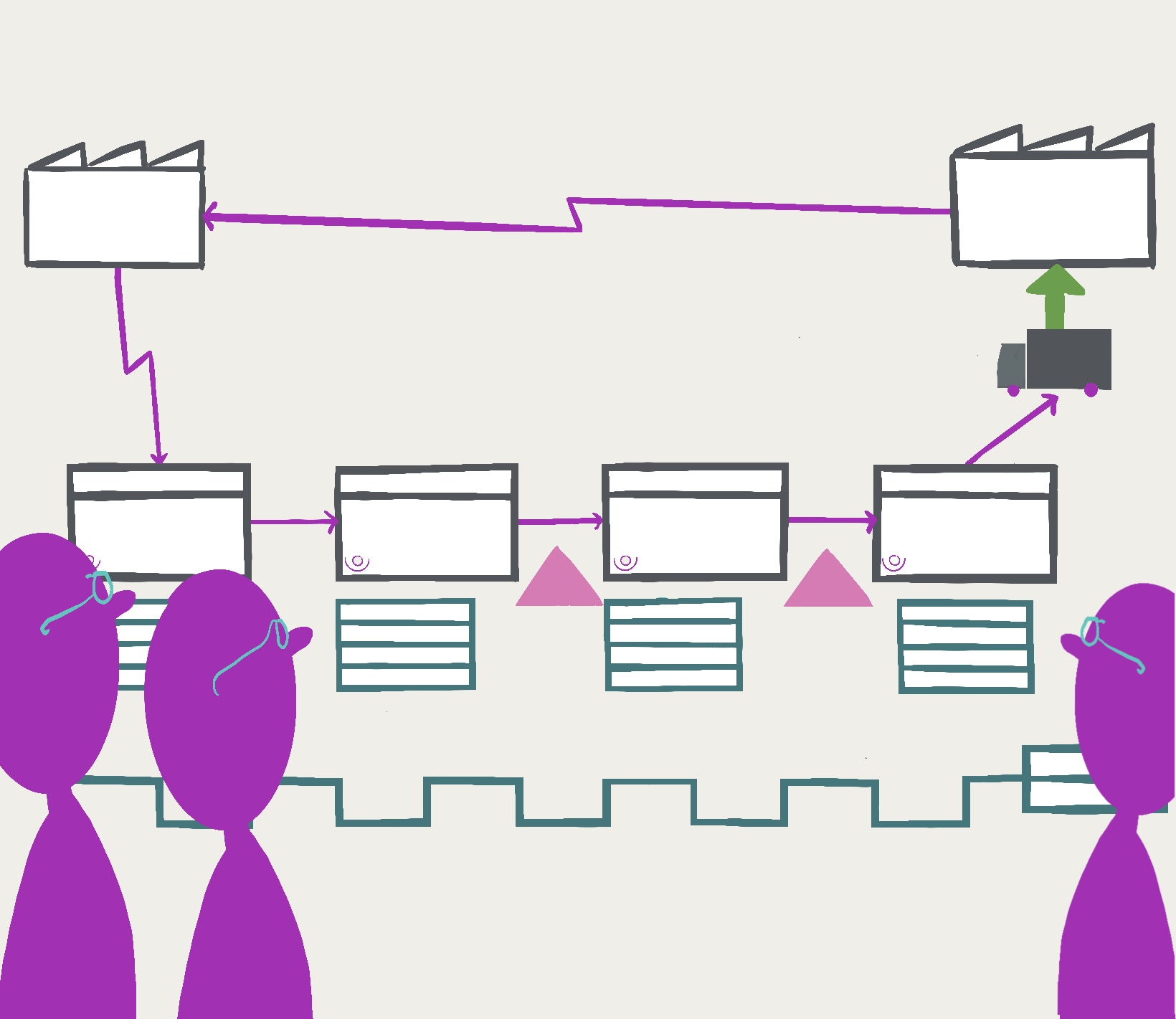
Moore describes value stream mapping as a strategic tool for this work. At a high level, it brings senior leaders and different functions together to see the current flow, agree what the future state needs to deliver and identify where change is required. The CI leader helps facilitate that conversation, brings evidence into it and connects the resulting priorities to practical delivery.
This is a broader contribution than producing a detailed map of one process. It helps an organisation choose the right improvement work in the first place.
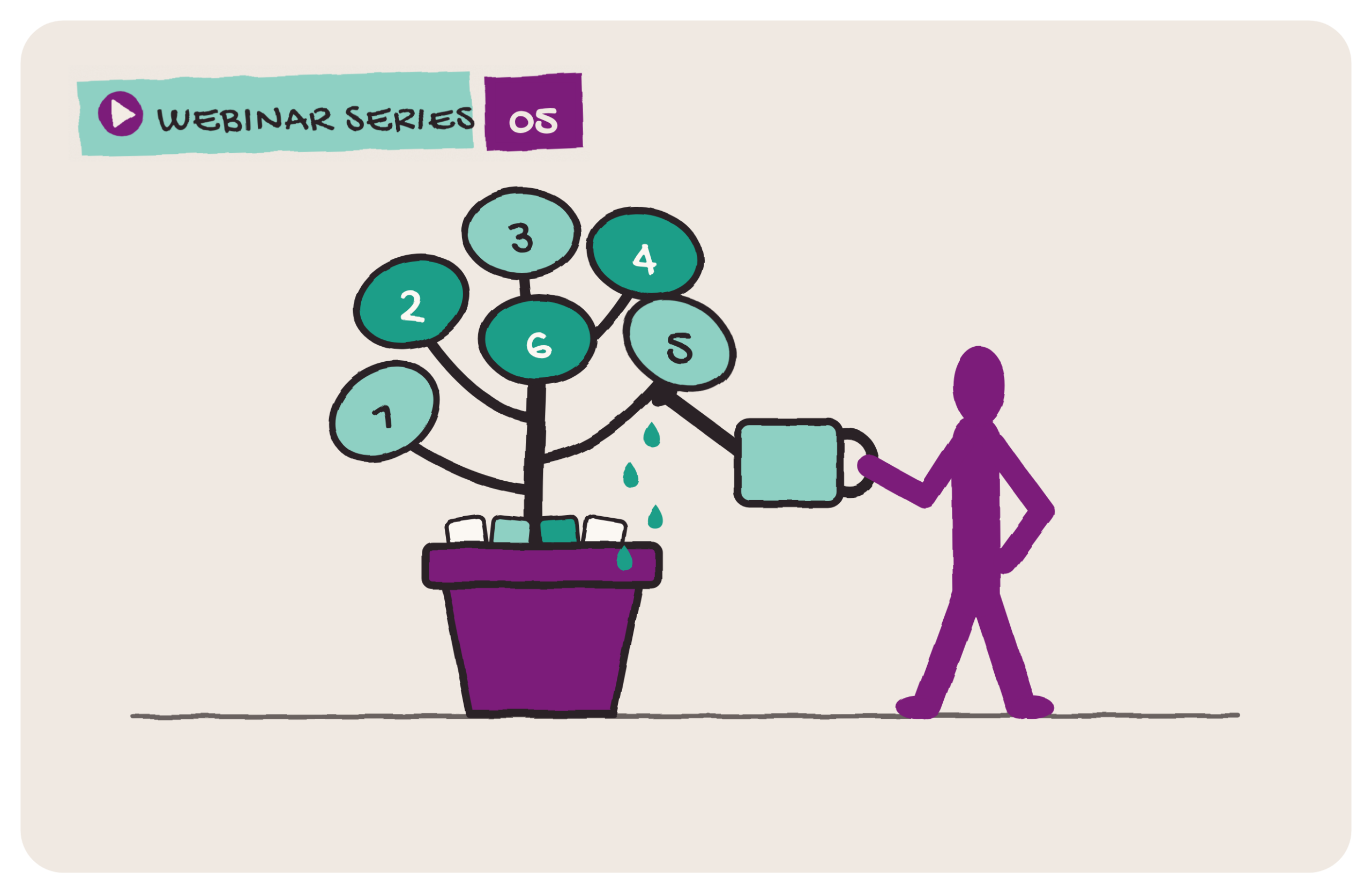
Make learning a regular part of work
When conditions change quickly, an organisation needs to learn quickly too. The familiar Plan Do Check Act cycle remains valuable, but Moore argues for using it deliberately and repeatedly, rather than only when a formal project calls for it.
He points to improvement kata: understand the direction, the current condition and the next achievable target, then experiment against the obstacles in the way. Coaching and psychological safety matter here. People must be able to share what happened, including mistakes, without blame if the organisation is to learn from each test.
For a CI leader, the skill is not simply running an experiment. It is helping teams build a sustainable habit of testing, reflecting and adjusting.
Know when to redesign
Incremental improvement is often the sensible choice. Yet new technology can change the economics and possibilities of a process enough that redesign deserves serious consideration. Moore expects design skills to become useful to more CI leaders, especially as organisations consider AI-enabled ways of working.
Good redesign starts with customer needs and tests the proposed solution before full deployment. Design thinking and Design for Six Sigma offer tools for understanding those needs and developing options. Risk analysis, including FMEA where appropriate, helps teams anticipate what a more substantial change might disrupt.
Agile ways of working also help where needs are likely to evolve. Small increments, visible work, regular customer feedback and retrospectives let teams adapt as they learn. Moore stresses that this should be a sustainable pace, not a demand for constant urgency.
Keep judgement and people at the centre
More available data does not automatically call for deeper statistical analysis in every role. CI leaders still need to know what to measure, how to interpret evidence and how to present it so others can make sound decisions. They also need the communication and change leadership skills to help people adopt a better way of working.
Lean daily management can reinforce both. Visible measures, regular conversations and problem solving close to the work allow teams to spot issues and improve continuously, whether the process is in a factory or an office.
Bring improvement thinking into AI decisions
AI can help CI practitioners generate ideas, prepare work and analyse information. Its output still needs human interpretation. Moore sees a further, potentially more valuable role for CI leaders in deciding where AI belongs in the business.
Before deploying a tool, ask what problem it solves, how the change fits the strategy and the wider value stream, and whether it shifts a constraint elsewhere. Sometimes removing waste is the right answer. Sometimes conventional automation is suitable. Sometimes AI adds value. Each option has different costs, risks and demands on the process and its people.
That judgement is familiar CI territory. It combines a clear problem definition, systems thinking, evidence, risk management and careful deployment. It also gives CI leaders a useful voice when an organisation feels pressure to introduce AI before deciding what it needs to improve.
Build the capability the role actually requires
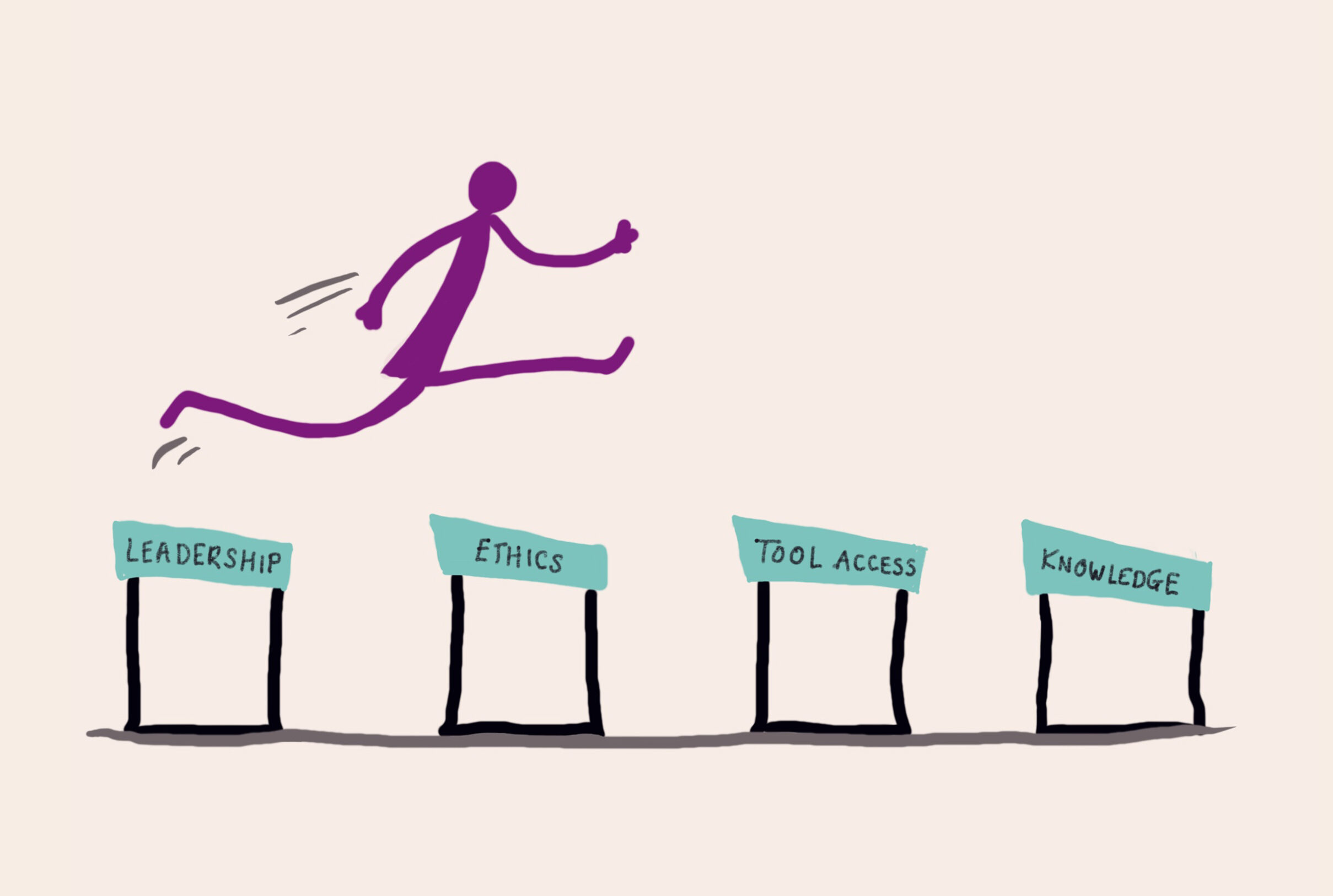
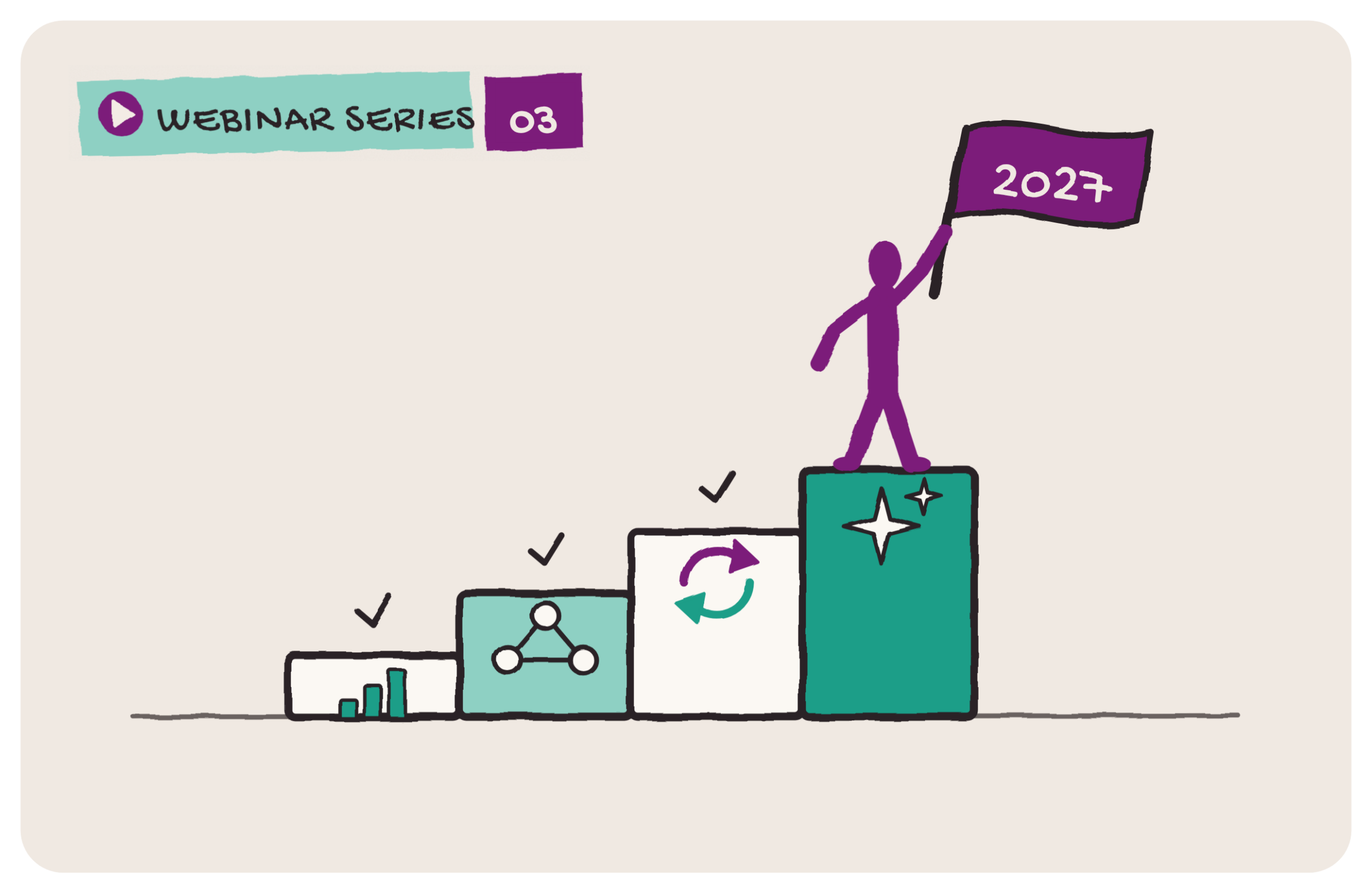
The question for 2027 is not whether to abandon established CI methods. It is how to add the skills that let practitioners apply those methods across a changing organisation. A leader may need to move between strategic value streams, local experiments, service redesign, data interpretation and conversations that bring people with the change.
Catalyst’s Business Black Belt programme is one response Moore discusses in the webinar. It retains Green Belt foundations, change leadership and data-driven decisions while adding business agility, design, value stream mapping, daily management and the relationship between CI and technology. The right development path will depend on the role, but the underlying principle is consistent: build capability for the decisions and changes the leader is being asked to make.
Watch the full webinar
Watch Moore Allison explore the skills a CI leader will need in 2027 and the place of the Business Black Belt in developing them.