We need to design right first time products, processes and services around real user needs
The problems we have supporting our existing products, services and processes are not the result of a lack of effort or the best of intentions but because they have been built around internal assumptions rather than actual needs. When this happens, teams end up fixing avoidable issues, reworking, and responding to complaints or failure demand that could have been designed out from day one.

Designing right first time means understanding real user needs, reducing friction and building solutions that work in practice, not just in theory. It requires insight, alignment, and the ability to translate customer and user needs into clear, actionable requirements that inform the design of products, services, and processes.
Common symptoms
When products, processes or services are not built around real user needs, the effects are felt through time spent correcting avoidable problems, inconsistent customer experiences and the need for reactive rather than deliverable improvement action. Common challenges include:
- Products or services that technically function, but do not meet real user expectations
- Processes designed around internal structures rather than customer journeys
- Too much rework, duplication or too many handoffs
- Teams solving the wrong problem or moving into delivery too early
- Limited visibility into where value is created or lost
- Improvement activities that address internal efficiency but don’t improve the user experience
Root causes
Right first time design depends on seeing the organisation’s processes, products or services through the eyes of the user. That is often where the biggest gap sits. Some of the typical barriers:
- Insufficient understanding of user needs, behaviours and contexts of use
- Lack of a definition, or an unclear definition of the value being created for customers, users or stakeholders
- Assumptions replacing evidence during requirements gathering and design
- Poor connections between strategy, design and operational delivery
- Failure to consider risks, unintended consequences and potential points of failure at the design stage
- Use of inappropriate tools, methods or approaches for the challenge being addressed
- Limited use of structured improvement, design and problem-solving techniques
- Designing for implementation without considering the user experience after delivery
Catalyst adds value through a blended skillset and toolkit that brings together Design Thinking, Lean Six Sigma, Design for Six Sigma, Agile, and change leadership. This combination helps organisations translate customer and user needs into practical, effective solutions.
Let's talk training
Tell us a little about what you have in mind, or if you'd prefer, call us on +44 (0)845 345 2282
Training to help you address these challenges
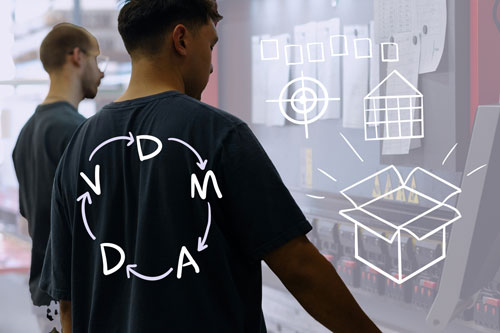

Product, Service and Process Design
Tools and Concepts you can apply from Design for Six Sigma and Design Thinking

Services to support you

Creative Collaboration
Enable teams to work effectively together to achieve shared goals and deliver results.

Business Model Optimisation
Design and evaluate business models to optimise value creation, revenue streams, and operational efficiency.
Systems Thinking & Organisational Design
Apply systems thinking to align people, processes, and strategy, ensuring roles, responsibilities, and workflows support strategic objectives and deliver measurable results.
Start Your Transformation With Catalyst by Your Side
We’ll take the time to understand your challenges and explore the best way to unlock potential in your people, processes and strategy.