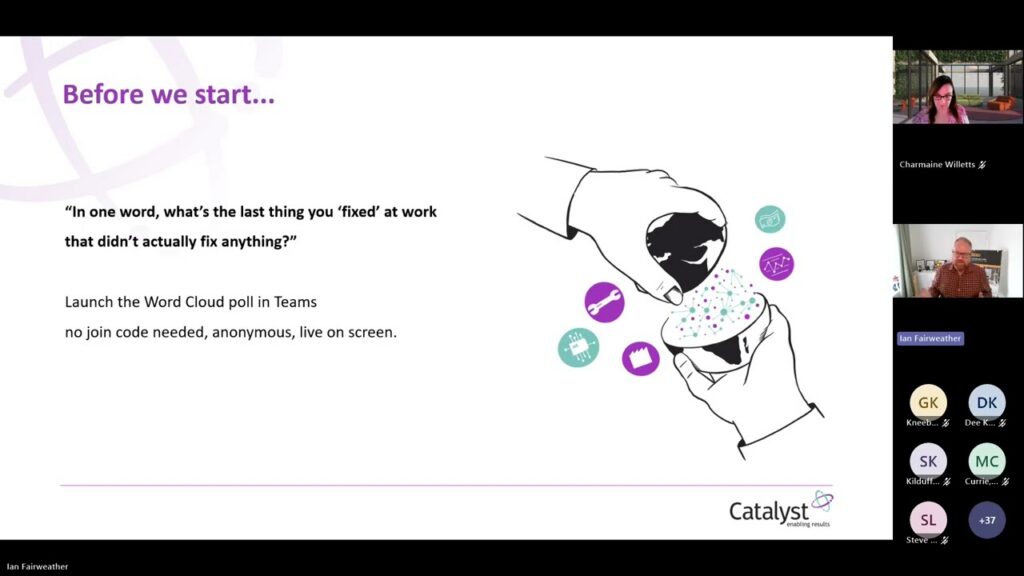
A team removes unnecessary steps from one department. Another team speeds up its approvals. A third automates a routine task. Each improvement works on its own terms, yet customers still wait too long, and employees still spend their days chasing work through the system.
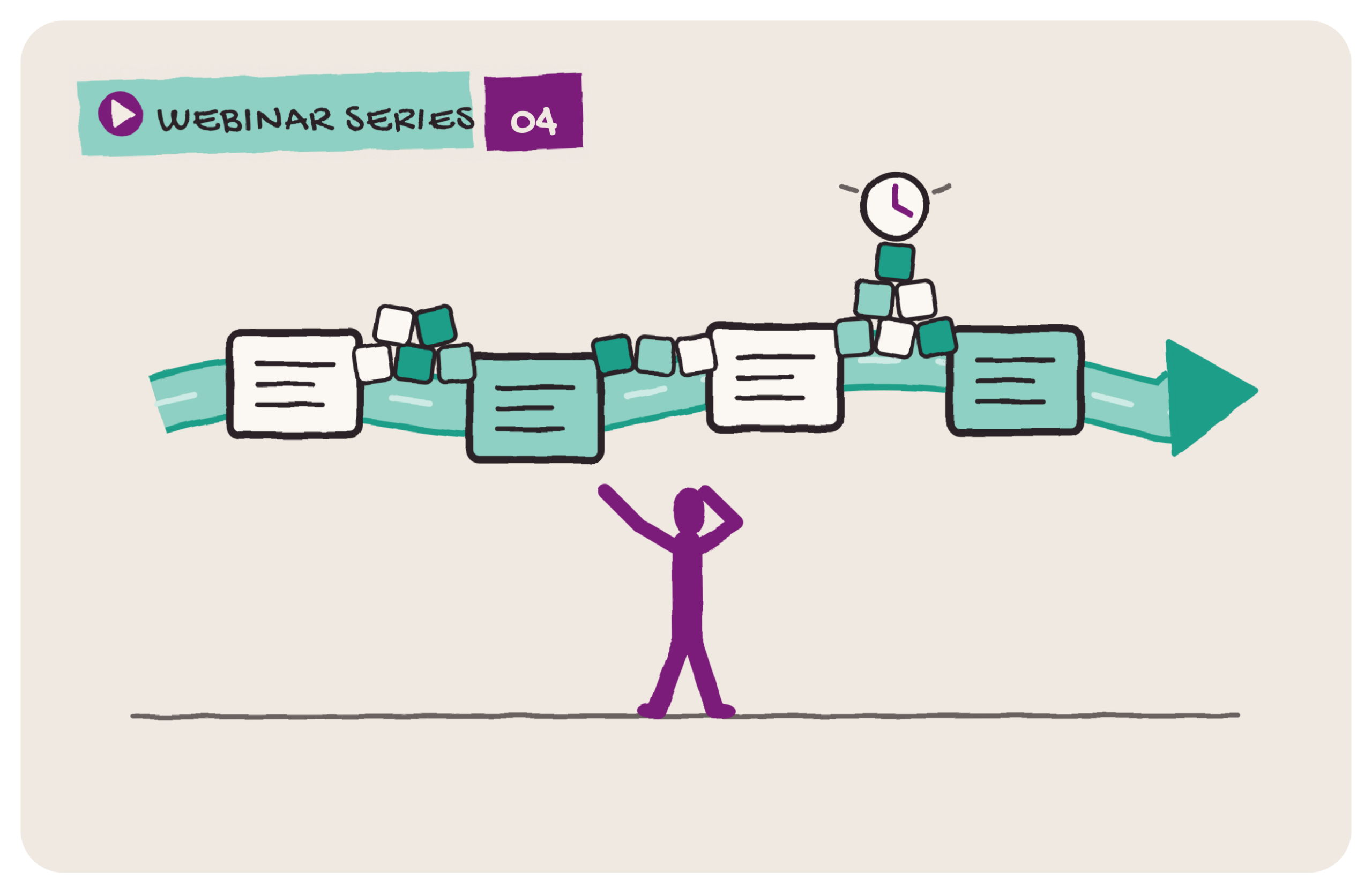
This is the problem behind Ian Fairweather’s Back to Better webinar on the need for Value Stream Mapping. Improving the individual parts of a process does not guarantee that value flows smoothly from beginning to end. To change the overall result, we first need to see the whole journey.
Local efficiency is not the same as end-to-end performance
Most organisations divide work into teams, functions and systems. Those boundaries help people manage their responsibilities, but customers experience a single journey. They notice the time between making a request and receiving what they need, not which department handled each stage.
It is therefore possible for every team to meet its own target while the overall experience remains poor. A step may take only minutes to complete, but work can sit in a queue for days before it reaches that step. One function may process more cases than the next can accept, building a backlog. A faster handoff can simply move the waiting somewhere else.
Even eliminating an obvious waste in one area can leave these relationships untouched. The improvement may reduce effort locally without changing total lead time, quality or the customer’s experience.
Start with the value the customer needs
A value stream is the sequence of activities needed to turn a request into an outcome for the customer. Mapping it starts by defining that request and outcome clearly. What triggers the work? What does the customer consider a successful result? Where does the journey begin and end?
Those questions matter because a map drawn around one department may miss much of the actual work. A customer’s journey can cross sales, operations, finance, suppliers and technology platforms. The problems often sit at the joins: unclear information, repeated checks, rework and waiting for a decision.
The aim is to understand how work and information move through that full sequence, including the paths that rarely appear in a procedure document.
Map what happens, including the waiting
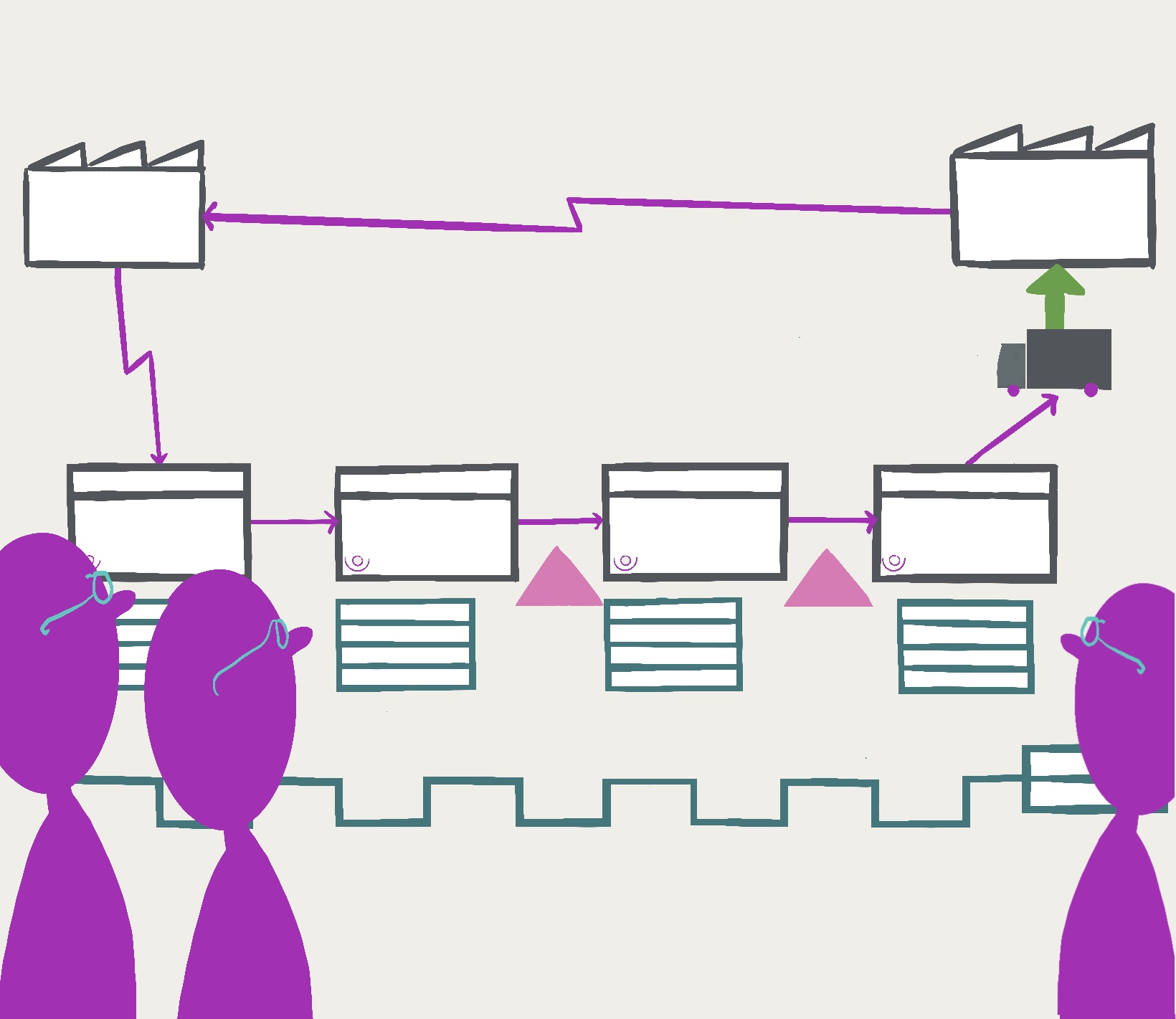
A useful current-state map reflects the work as it is done today. Bring together the people who know each stage, follow a real request through the system and check assumptions with evidence. Capture the main steps, the handoffs, the queues and the information each stage needs.
Timing helps distinguish activity from flow. How long does the work take when someone is actively handling it? How long does it wait between stages? Where does it return for correction? These measures can show why a process containing many efficient tasks still has a long end-to-end lead time.
The discussion around the map is as valuable as the diagram. Colleagues see how their decisions affect the next team and can challenge different versions of “how it works”. This shared picture makes it easier to address a system problem together.
Find the constraint before choosing the fix
Once the current flow is visible, the team can ask where work accumulates and why. The answer may be a capacity limit, a decision made too late, poor inputs, conflicting priorities or a rule that forces repeated approval. The constraint may sit outside the step that attracts the most complaints.
This changes how improvement opportunities are chosen. If work waits for a specialist decision, making an earlier task faster may only increase the queue. If incomplete requests create rework, removing a check without improving the information at entry can make quality worse. The best intervention depends on how the whole value stream behaves.
It also pays to look beyond the first fix. Removing one bottleneck can reveal the next. Measuring the end-to-end outcome after a change shows whether flow actually improved or the delay simply moved.
Design the future state together
A current-state map explains the problem; a future-state map helps teams decide how the work should flow. Which steps create value? Where could information be captured once and used throughout? Can decisions move closer to the work? How can the next team receive what it needs without chasing or rechecking?
The future state should connect to a clear goal, such as shorter lead time, fewer errors or a better customer experience. It then becomes a guide for prioritising changes across teams, rather than a collection of disconnected improvement ideas.
Technology may support the new flow, but automating a fragmented journey can preserve its fragmentation. Understanding the value stream first gives the organisation a better basis for deciding where process change, clearer ownership or automation will help most.
Improve the result the customer experiences
Value Stream Mapping asks a bigger question than “Where is the waste in this step?” It asks how the entire system delivers value and what prevents that value from flowing. That view can reveal why earnest, well-executed local improvements have not changed the outcome people care about.
For CI leaders, the practical starting point is to gather the people who own different parts of the journey, define the customer outcome and make the real flow visible. The resulting map can then direct improvement effort to the connections and constraints that determine end-to-end performance.
Watch the full webinar
Watch Ian Fairweather’s Back to Better webinar, The Need for Value Stream Mapping: Why You Can Eliminate Every Waste and Still Have a Broken Process.