Training people in Lean Six Sigma is relatively straightforward. Building an organisation where those skills translate into sustained improvement is much harder.
That distinction matters.
Many Lean Six Sigma deployments don’t struggle because people can’t use the tools. They struggle because the organisation has treated training as the deployment – rather than one component of a much wider system for improvement.
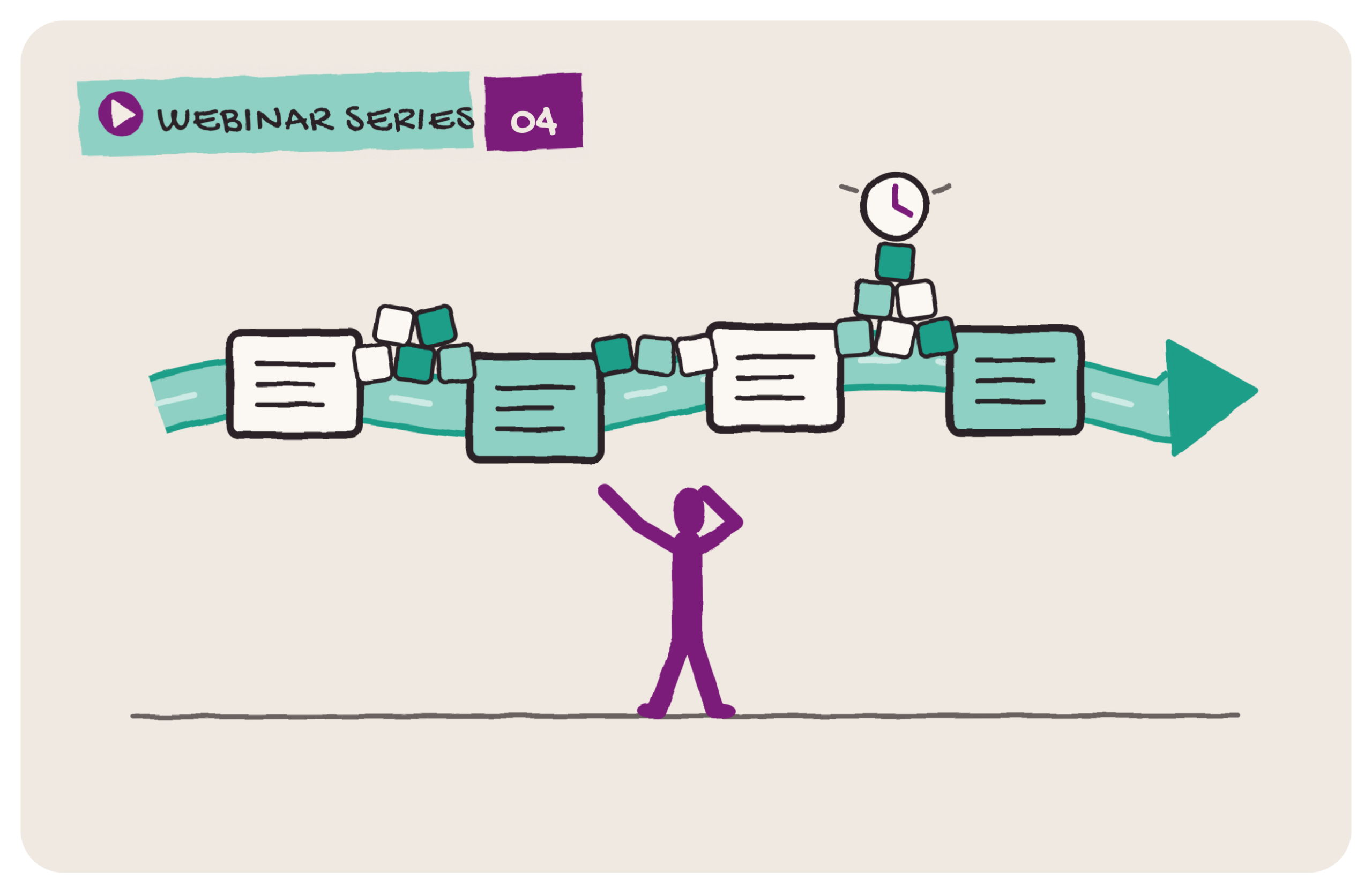
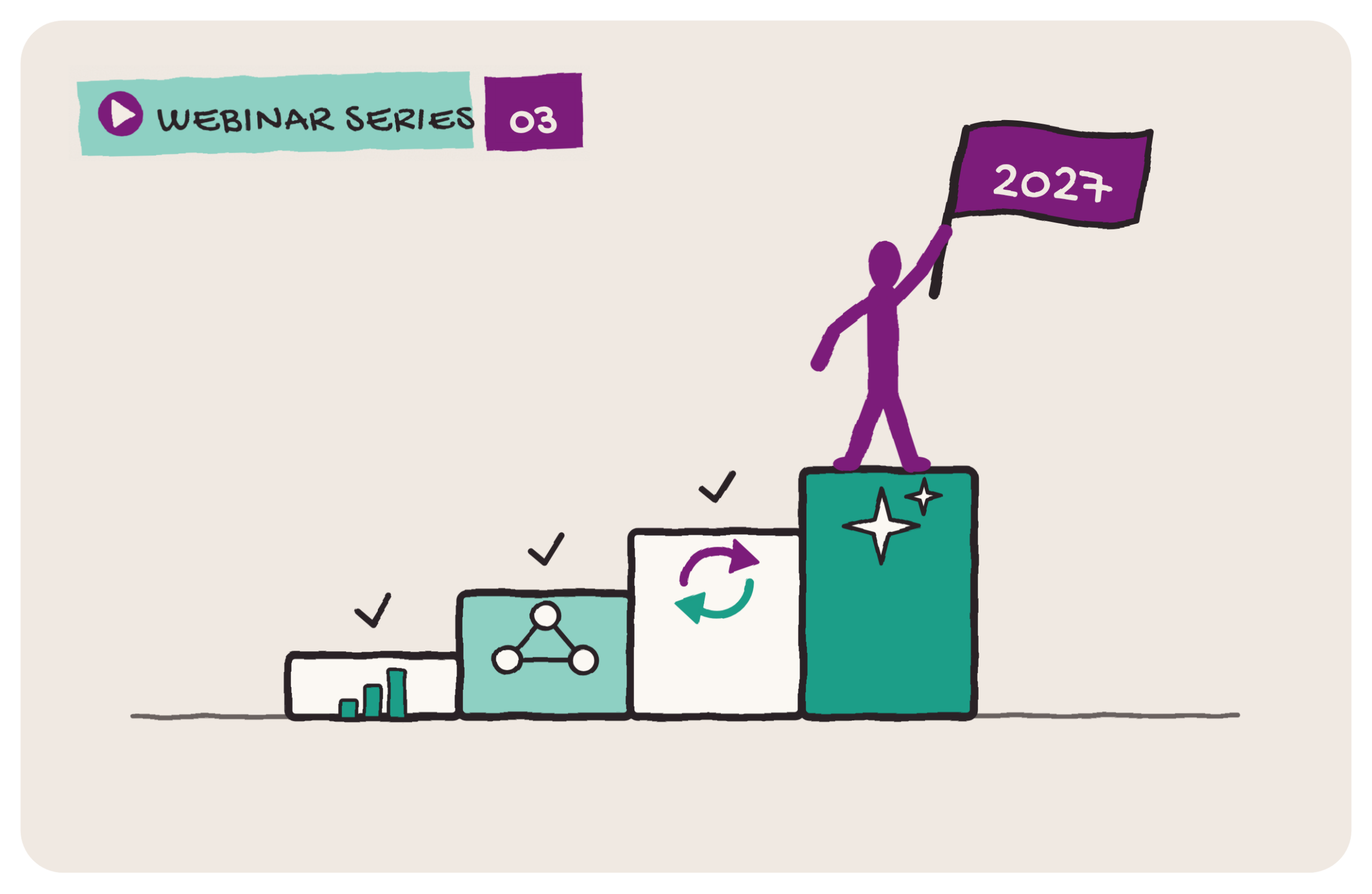
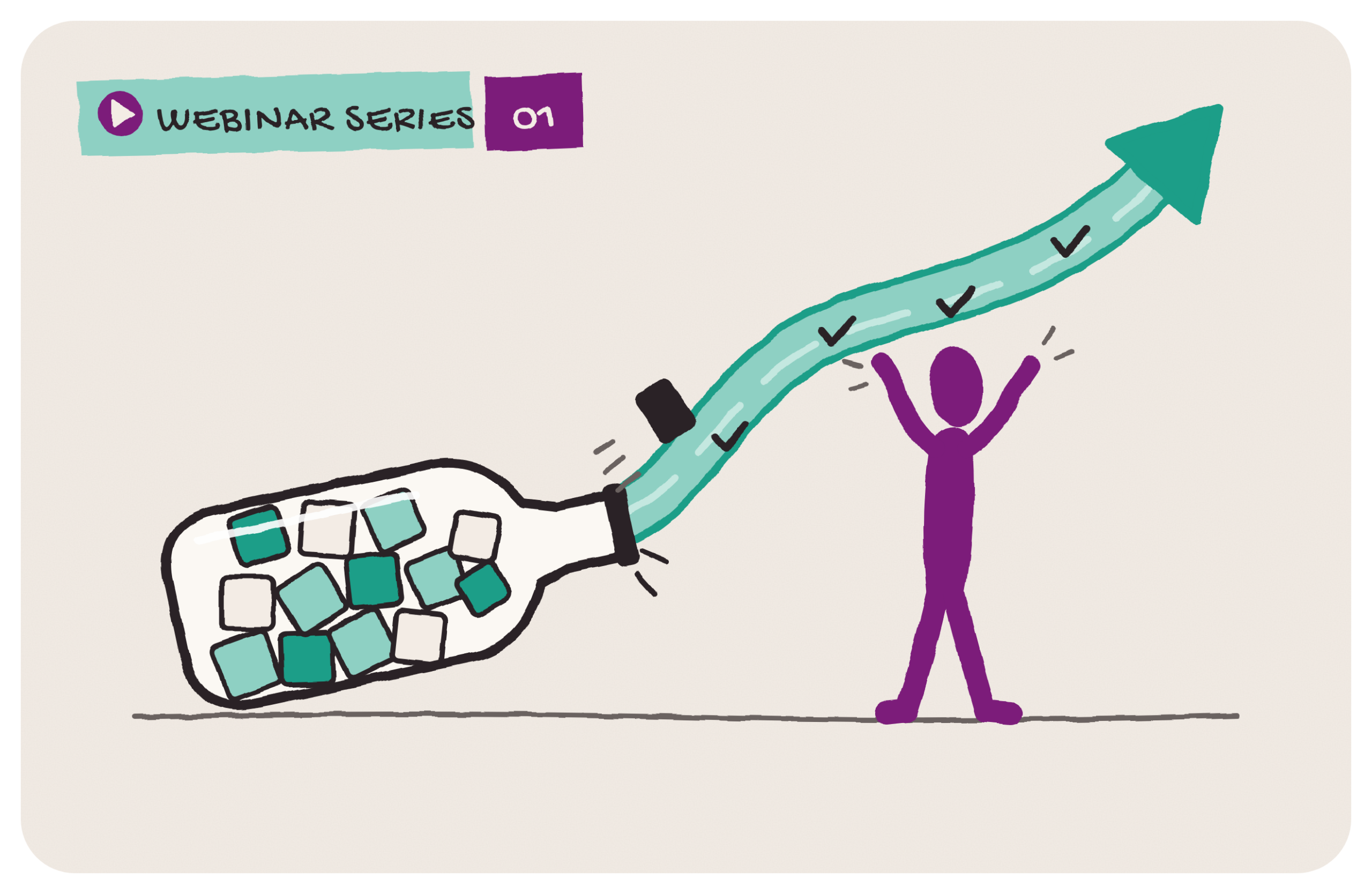
In our recent Back to Better webinar, Catalyst Executive Chair Martin Brenig-Jones and Senior Consulting Partner Jo Dowdall drew on their experience of working with organisations at different stages of their Lean Six Sigma journeys to share six lessons for creating the conditions in which improvement can genuinely thrive.
1. Connect improvement to strategy
A successful deployment shouldn’t begin with the question: How many Green Belts or Black Belts should we train?
It should begin with: What are we trying to achieve?
Lean Six Sigma capability needs a clear line of sight to the organisation’s strategic priorities and the problems that matter most. From there, organisations can identify the improvement projects that will contribute to those priorities and build the capability required to deliver them.
Martin and Jo suggest asking three questions before getting into the detail of deployment design: Why do we need this capability? Which problems matter most? And what results will demonstrate success?
The aim isn’t to accumulate qualifications or be able to say that you “do Lean Six Sigma”. It’s to equip people to deliver the results the organisation needs.
2. Make leadership active
Having an executive sponsor isn’t enough.
As Martin puts it in the webinar, “sponsor is a verb.”
Active sponsorship means leaders setting direction, choosing priorities, reviewing progress, removing barriers and reinforcing the message that improvement is part of how the organisation works.
The Continuous Improvement team has an important role to play, providing expertise, coaching, coordination and challenge. But it cannot substitute for leadership.
And leaders don’t necessarily need to become technical Lean Six Sigma experts themselves. Their role is different: to create the environment in which improvement teams can succeed, give them appropriate time and attention, make decisions and demonstrate through their own behaviour that the work matters.
3. Build a deployment system
Training creates potential capability. A deployment system turns that potential into results.
That doesn’t mean creating layers of bureaucracy or a large central team. It means putting practical mechanisms around improvement so that projects can move effectively through the organisation.
That might include a steering group that regularly reviews the improvement portfolio, appropriate governance, project sponsors and process owners, coaching for practitioners and a way of identifying and managing future improvement opportunities.
This becomes particularly important for people tackling their first DMAIC projects. Improvement is inherently uncertain: if you’re genuinely solving a problem, you don’t necessarily know the answer at the outset.
Providing support while people build their confidence and experience makes it far more likely that their new skills will actually be used – and that successful projects will follow the training.
4. Select the right projects and the right people
Early projects matter.
They’re not simply opportunities to practise the methodology; they help establish the reputation of Lean Six Sigma within the organisation.
As Jo points out, those first project leaders are almost the PR for the methodology. Other people are watching. Does it work? Are projects delivering meaningful benefits? Is this something they would want to be involved in?
So don’t train somebody and then send them away to find something to improve.
Instead, create a pipeline of genuine organisational problems and match people to appropriate projects. Martin and Jo offer five useful tests for a good project: it should be important, measurable, appropriately scoped, owned and achievable.
And bigger isn’t necessarily better.
A new Green Belt probably shouldn’t be handed the politically complex, cross-functional problem the organisation has failed to solve for the past decade. A mixture of projects can be much healthier – some requiring deeper analysis, alongside smaller improvements capable of delivering results quickly.
As Jo describes them, you need some “moped projects” moving quickly through the system, rather than making every project a juggernaut.
5. Stick to the principles but adapt to the organisation
The fundamental principles behind Lean Six Sigma have stood the test of time: understand the customer, focus on value, improve processes systematically, involve people and use evidence to make better decisions.
But that doesn’t mean every organisation needs to deploy Lean Six Sigma in exactly the same way.
Every organisation has its own culture and language. The structure, terminology and level of methodology can – and should – be adapted accordingly.
Martin gives the example of a client that didn’t want Japanese terminology, acronyms, slides or consultants in suits. That didn’t prevent the organisation from applying the underlying principles; it simply meant making them work in a way that fitted its culture.
The same applies to the methods themselves. DMAIC is valuable, but not every improvement needs a full DMAIC project. Everyday problem solving, rapid improvement, Lean, Agile, digital tools and other approaches can all have a place.
The objective isn’t methodological purity. It’s improvement.
6. Design sustainability in from the beginning
Perhaps the biggest test of a Lean Six Sigma deployment comes after the initial enthusiasm has passed.
What happens when the executive who championed the programme moves on? What happens when external consultants leave? What happens once the first wave of training and projects is complete?
If improvement stalls, sustainability was never truly built into the system.
The goal is to develop capability that becomes part of the organisation’s everyday management routines – the way we do things around here.
That also means measuring more than activity. The number of people trained, or projects launched may be useful information, but what really matters is impact.
What benefits have been realised? What has improved for customers, employees and the organisation? What learning can be transferred elsewhere?
Successful deployments keep that learning moving through the organisation, sharing results and celebrating successes so that improvement builds its own momentum.
From Lean Six Sigma activity to improvement capability
Ultimately, successful Lean Six Sigma deployment isn’t about generating more Lean Six Sigma activity.
It’s about creating an organisation that is consistently better at identifying, solving and preventing the problems that matter.
That requires much more than training. It requires alignment with strategy, active leadership, carefully chosen projects and people, practical support, an approach that fits the organisation and sustainability designed in from the outset.
Training may be an important starting point.
But it’s what happens around – and after – the training that determines whether Lean Six Sigma becomes another initiative or a lasting organisational capability.
Watch the full webinar
Watch Martin Brenig-Jones and Jo Dowdall explore the six lessons in full in Six Lessons on Successfully Deploying Lean Six Sigma.